


Upholstery Sofa Fabric offers a useful reminder that a textile’s performance starts with its construction, not just its appearance. Floor mats face a different set of demands: repeated foot traffic, grit, moisture and frequent cleaning. Choosing the right surface, backing and edge finish can make the difference between a mat that stays useful and one that quickly curls, fades or wears through.
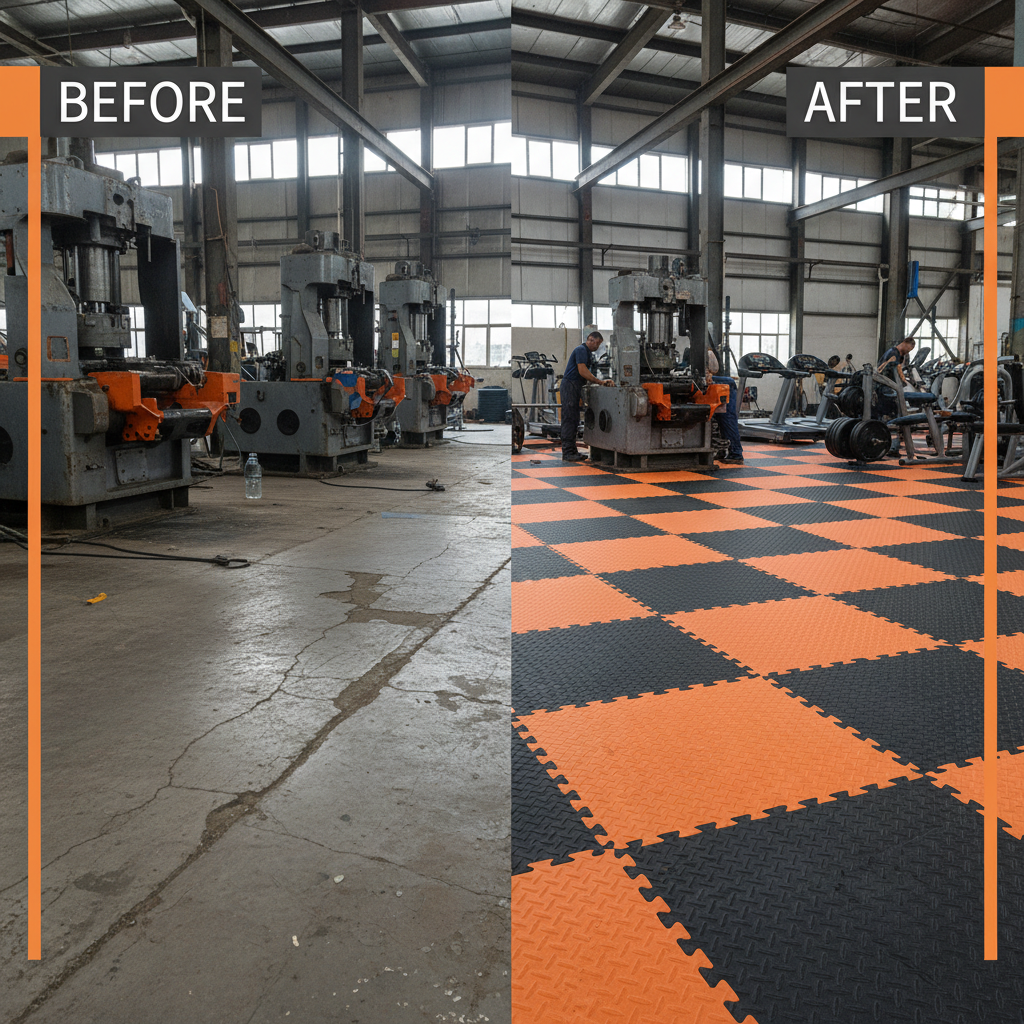
For homes and commercial spaces alike, a mat is a small product with a busy job. It can help capture dirt at an entrance, add comfort beside a work surface, or define a zone in an open-plan room. Good design balances those practical functions with appearance, safety and a realistic maintenance routine.

Start with the mat’s job and location
A mat placed just inside an exterior door needs to handle abrasive particles and damp footwear. A kitchen mat is more likely to encounter splashes, dropped food and repeated spot cleaning. A rug-style accent mat in a bedroom may prioritize softness and color coordination over heavy-duty dirt capture. Defining the setting first helps narrow material and construction choices before appearance takes over the decision.
Traffic level matters, too. In a busy entryway, dense, resilient surfaces can help the mat retain its shape under repeated steps. In a low-traffic area, a softer pile or more decorative texture may be perfectly practical. The intended users also count: households with children, pets or mobility concerns may need a stable, easy-to-clean mat with an edge that lies flat.
Understand the roles of face, backing and edge
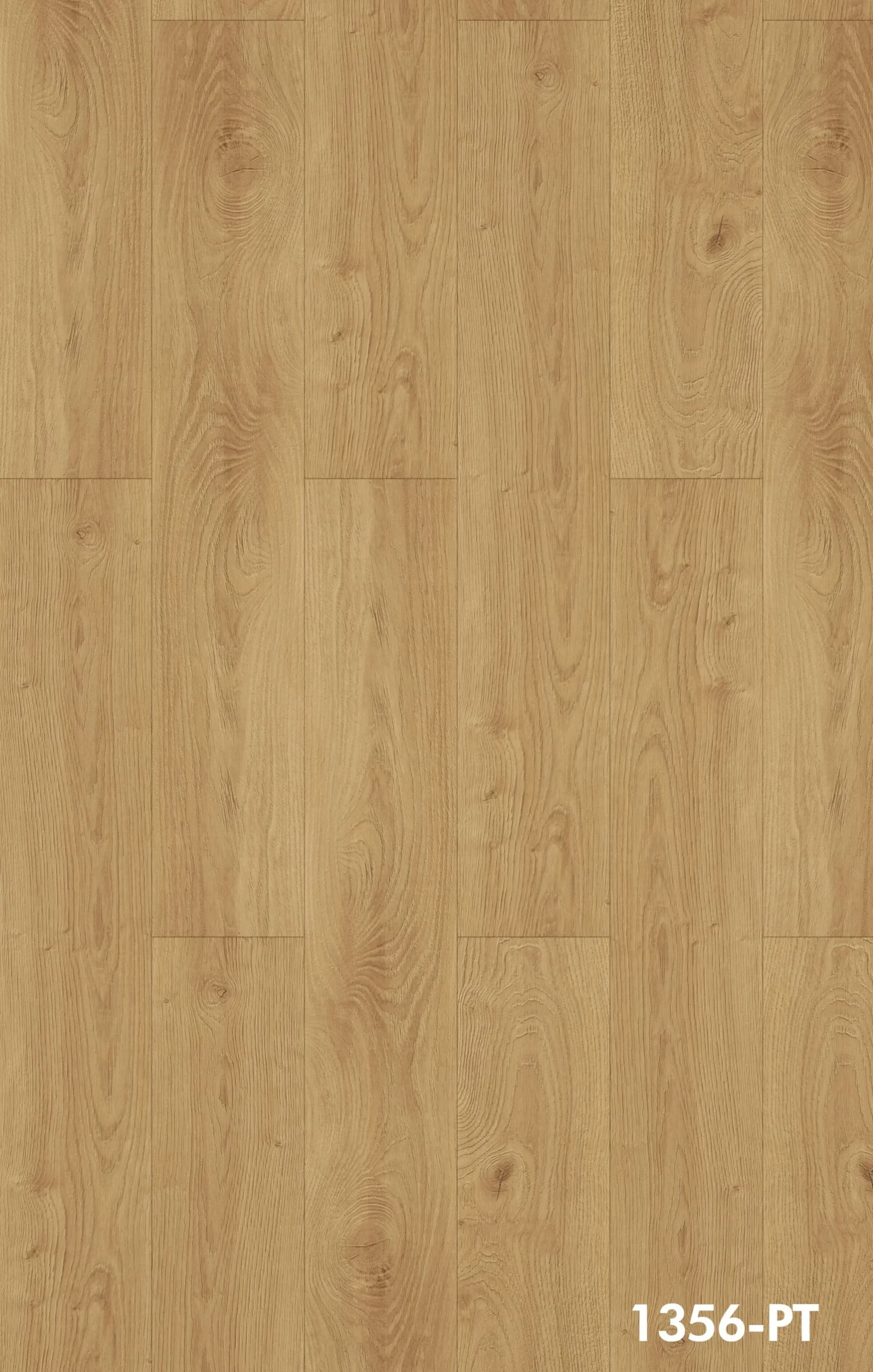
The visible surface, or face, determines much of a mat’s feel and appearance, but it is only one part of the system. Fiber type, yarn structure, pile height and density all affect how the face responds to abrasion, soil and cleaning. A textured surface may help conceal everyday marks, while a shorter, tighter construction can be easier to vacuum and may collect less debris within the pile.
Backing helps a mat hold together and influences how it behaves on the floor. Depending on the product and floor finish, a backing may add stability or cushioning, but it should not be assumed to prevent slipping in every situation. Compatibility, care instructions and the condition of the floor all matter. The edge deserves equal attention: securely finished borders can help limit fraying, while curled or stiff edges may create a trip hazard.
Match performance claims to care in the real world
Terms such as “durable” and “easy care” are useful only when they align with how a mat will actually be used. Check the recommended cleaning method, drying requirements and any limits on washing. A mat that cannot tolerate the cleaning routine available in a home or workplace may be a poor fit, even if its surface initially looks robust.
It is also worth considering colorfastness, dimensional stability and how a material feels after cleaning. A soft textile product such as a Baby Blanket has different performance priorities from a floor covering, but both illustrate why touch, construction and care expectations should be considered together. For mats, abrasion resistance and secure floor contact add further requirements.
Safety and sustainability begin with clear specifications
A thoughtful specification can address material composition, backing, dimensions, edge treatment, color requirements and cleaning conditions. For products used indoors, buyers may also ask suppliers about chemical management, traceability and relevant testing or certifications. Certifications can help communicate what has been assessed, but their scope should be checked rather than treated as a blanket guarantee of every product attribute.
Material choices also influence the resources used throughout a product’s life. A mat that remains functional for longer may need replacing less often, while a design that is straightforward to clean can reduce maintenance burdens. Recycled or lower-impact inputs may be appropriate in some applications, provided they meet the required performance and safety specifications. Clear documentation helps teams compare options on more than first impressions.
Why production consistency matters
For retailers and product teams, consistency across samples and production runs is as important as a promising prototype. Variations in color, surface texture, dimensions or backing can affect both customer experience and installation. A structured development process—starting with a clear brief, followed by sample review and agreed quality checks—helps identify issues before larger quantities are produced.
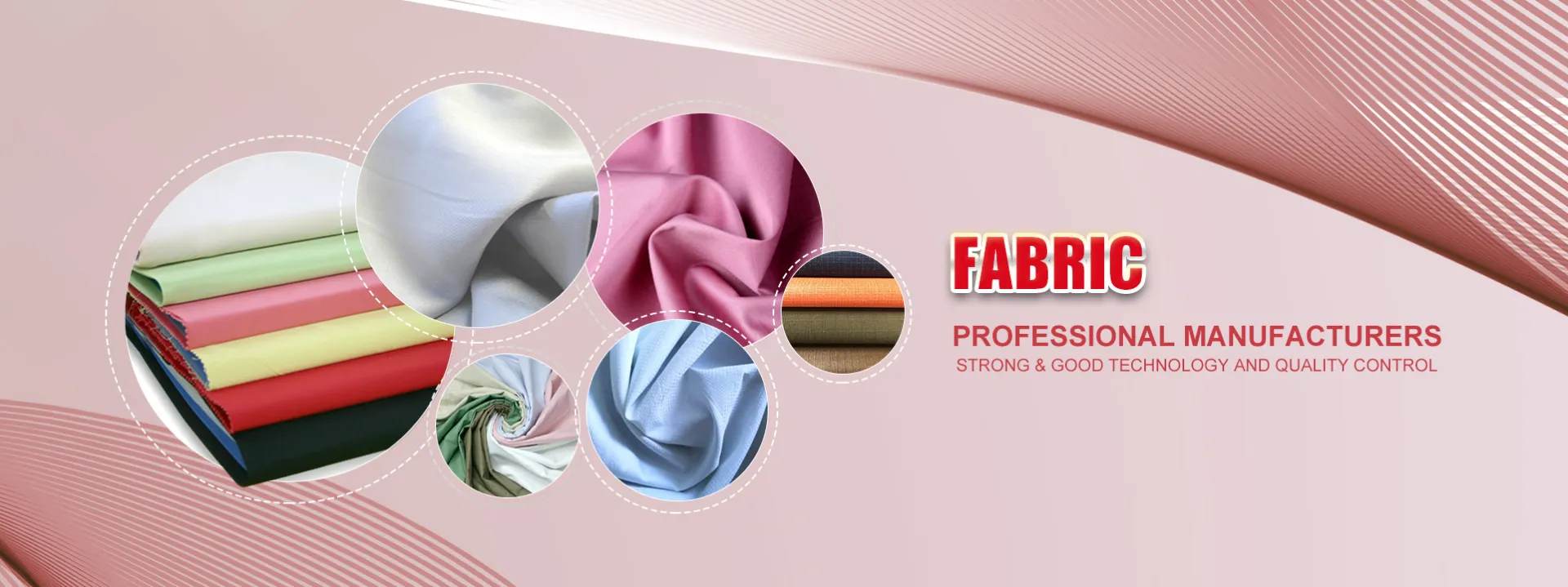
Fabric manufacturers such as Tongxiang Sinovel Textile Co., Ltd. illustrate the broader supply-chain role behind finished home-textile products. With experience in knitted, printed and coated fabrics, sample development and international logistics, the company works across several stages that can inform material selection and production planning. Its OEKO-TEX® STeP and STANDARD 100 certifications are relevant reference points for customers evaluating manufacturing practices and textile safety; buyers should still confirm that documentation applies to the specific materials and products under consideration.
A practical checklist before choosing a mat
- Identify the location, foot traffic and likely sources of dirt or moisture.
- Compare face construction, backing and edge finish as parts of one product system.
- Confirm cleaning instructions and suitability for the intended floor surface.
- Review relevant material, safety and quality documentation for the specific product.
- Assess samples under realistic lighting and, where possible, test them against expected use.
The best mat is not necessarily the thickest, softest or most decorative option. It is the one whose construction suits its location, whose care requirements fit the people using it, and whose quality remains consistent over time. Looking beyond the surface helps homeowners and product teams make choices that are safer, easier to maintain and better suited to everyday life.